Material selection is often treated as a finishing decision, made once the design is already set. In a luxury interior fit-out, it deserves to happen much earlier. The materials chosen don't just determine how a space looks — they determine how it performs, ages, and feels for years after handover.
Getting this right from the start protects both the design intent and the investment behind it.
Why Materials Are a Design Decision, Not an Afterthought
Great stories have a personality. Consider telling a great story that provides personality. Writing a story with personality for potential clients will assist with making a relationship connection. This shows up in small quirks like word choices or phrases. Write from your point of view, not from someone else's experience.
Great stories are for everyone even when only written for just one person. If you try to write with a wide, general audience in mind, your story will sound fake and lack emotion. No one will be interested. Write for one person. If it’s genuine for the one, it’s genuine for the rest.
Durability vs. Aesthetic: Finding the Balance
Luxury doesn't mean impractical. The best material choices balance visual impact with how a space will actually be lived in or operated.
High-traffic areas call for finishes that resist wear without compromising on refinement. Statement pieces — a feature wall, a bespoke stone island, a custom joinery detail — can carry more visual weight precisely because the surrounding materials are chosen to support and last, not compete for attention.
How Materials Affect Engineering and Execution
Material choice isn't isolated from the technical side of a project. Slab weight affects structural load. Certain stones and timbers require specific substrates, sealants, or climate controls. Some finishes demand precision joinery that only certain fabrication methods can achieve.
This is where design and engineering need to work in step. A material selected without engineering input can create costly surprises mid-project — delays, substitutions, or reworks that could have been avoided with earlier coordination.
Sourcing: Where Quality Is Won or Lost
Premium materials are only as good as their sourcing. Consistency in veining, tone, and batch quality matters enormously in large-format stone or bespoke joinery, where even small variations become visible across a finished space.
Working with established suppliers and manufacturers — rather than sourcing purely on price — is often what separates a space that reads as considered from one that reads as assembled.
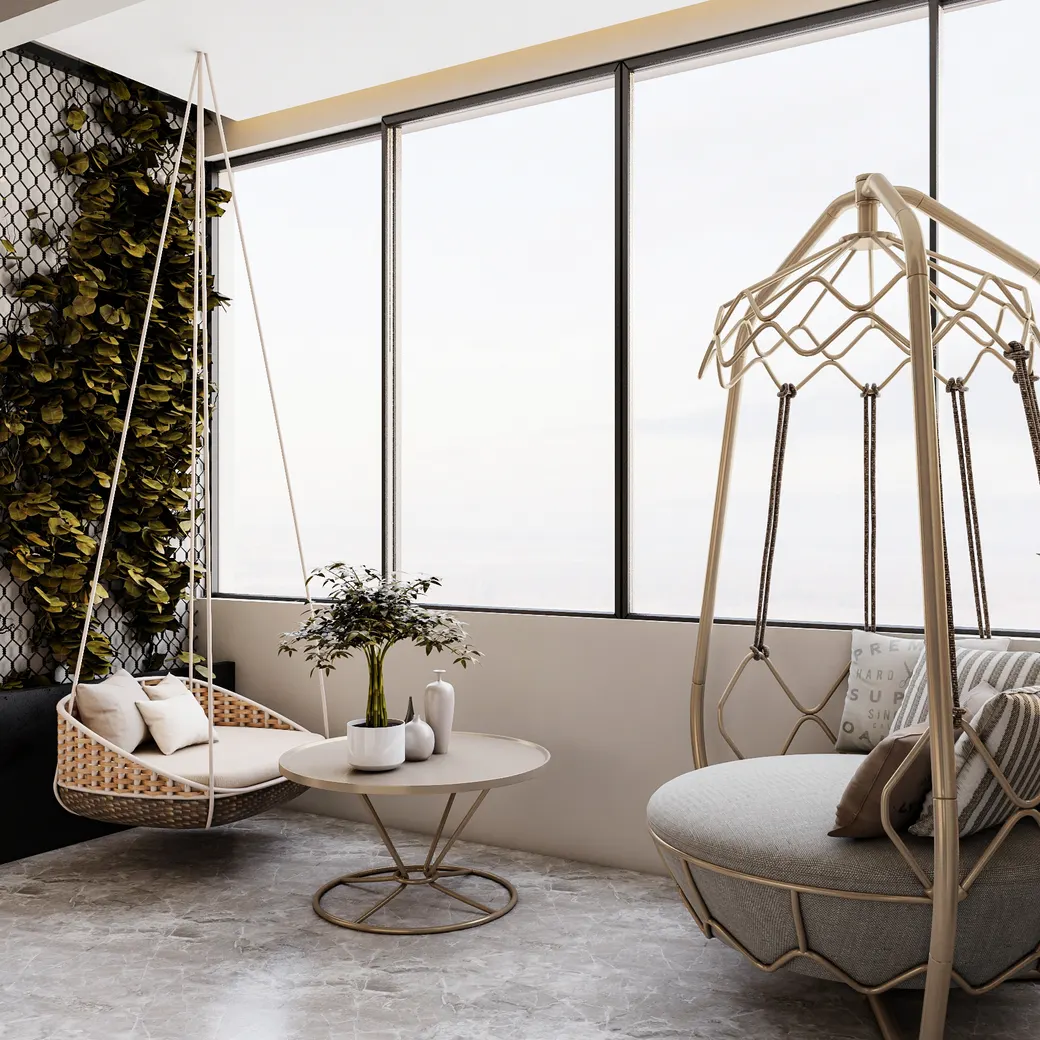
Materials Should Tell the Client's Story
Beyond performance, materials carry meaning. A private client's choice of stone, timber, or metal finish often reflects lifestyle, taste, and the way they want a space to feel — warm and layered, or sharp and minimal.
For developers and investors, material decisions also need to hold their value across a portfolio, remaining timeless enough to appeal broadly while still feeling premium.
Where Design and Delivery Come Together
Choosing the right materials requires more than a moodboard. It requires understanding how a material will be sourced, engineered, installed, and maintained — long before it reaches site.
With interior design, engineering, and turnkey execution delivered under one roof, Domora selects and integrates materials with full visibility across every stage of a project, ensuring what's specified is exactly what gets delivered.
Planning Your Next Project?
Whether you're refining a moodboard or specifying finishes for a multi-unit development, the right materials start with the right guidance.