
The terms turnkey fit-out and traditional contracting are often used interchangeably, but they describe two very different ways of delivering a project. Choosing the wrong approach can affect budget, timelines, and how much control you retain along the way.
The distinction is simple. Traditional contracting divides a project across multiple parties. A turnkey fit-out places design, engineering, and execution under one roof. Understanding where your project sits is the first step towards planning it properly.
What Is Traditional Contracting?
Traditional contracting separates a project into individual pieces. A designer draws the concept, an engineer signs off the technical drawings, and a contractor executes the build — often as three separate appointments, sometimes more.
Each party is responsible for their own scope. When something falls between those scopes, coordinating a fix means bringing multiple companies back to the table, each with their own priorities and timelines.
What Is a Turnkey Fit-Out?
A turnkey fit-out consolidates the entire process — design, engineering, project management, and execution — under a single partner.
The goal isn't simply to reduce the number of phone calls. It's to remove the gaps between design intent and physical execution, so that what was drawn is exactly what gets built, without decisions getting lost in translation between companies.
When Does Traditional Contracting Make Sense?
Traditional contracting can work when a client already has a fixed design in hand, a small and well-defined scope, or an in-house team capable of managing coordination between parties.
It offers flexibility to select different specialists for different elements. For simple projects with limited moving parts, this separation rarely causes friction.
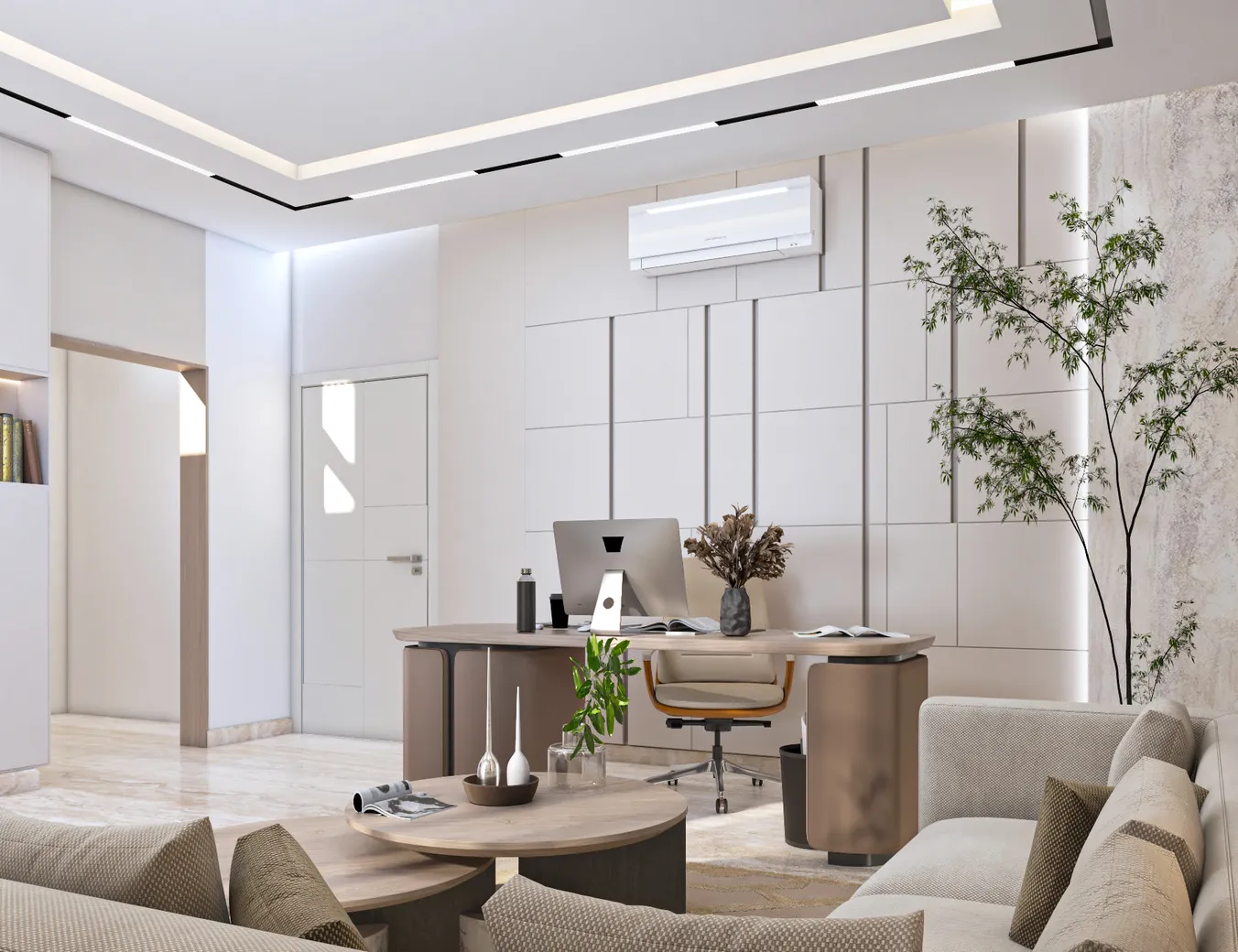
When Is a Turnkey Fit-Out the Better Choice?
A turnkey fit-out is the right solution for complex, high-value projects — private residences, developer portfolios, or spaces where MEP, structural, and finishing works need to align precisely.
It provides one point of accountability from concept through handover. Every decision is considered together rather than negotiated separately across multiple contracts, which reduces the risk of delays, disputes, and costly rework.
The Difference Is More Than Who's on Site
The biggest difference isn't the number of trades involved. It's who owns the outcome.
Traditional contracting distributes responsibility across parties. A turnkey fit-out places it with one partner, accountable for design, engineering, and execution alike.
Both can deliver a finished space. The right choice depends on the complexity of the project, how much oversight the client wants to retain, and how much risk is acceptable if something goes wrong between handoffs.
Where Design and Delivery Come Together
Whether managing a single residence or a multi-unit development, success depends on continuity between design and construction. Decisions made during planning should carry through every stage of delivery without compromise.
With interior design, engineering, and turnkey fit-out delivered under one roof, Domora maintains that continuity from concept through handover, ensuring every detail is executed to the standard it was designed for.
Planning Your Next Project?
Whether you're weighing a fully managed process or comparing it against traditional contracting, the right approach begins with understanding your project's scale and complexity.