Renovating a villa is an opportunity to create a home that feels more comfortable, functional and personal. But a successful villa renovation is about much more than choosing beautiful finishes or following the latest interior design trends.
From overlooking the existing structure to changing decisions during construction, small planning mistakes can lead to additional costs, delays and compromises in the final result.
Whether you are renovating an older villa, updating a recently purchased property or planning a complete interior transformation, understanding the most common renovation mistakes can help you approach the project with greater clarity.
Here are 10 mistakes to avoid when planning a villa renovation in the UAE.
One of the most common villa renovation mistakes is starting work before clearly defining what needs to be changed.
A renovation may involve much more than painting walls and replacing furniture. Depending on the property and the desired outcome, the scope may include:
● Space planning and layout changes
● Flooring and wall finishes
● Kitchen and bathroom upgrades
● Lighting and electrical work
● Plumbing and HVAC
● Ceilings
● Custom joinery and wardrobes
● Doors and architectural details
● Furniture and styling
Before construction begins, it is important to establish what will be retained, repaired, replaced or completely redesigned.
A clearly defined scope gives the design and execution teams a stronger foundation and helps reduce unexpected changes later in the project.
2. Designing Before Understanding the Existing Villa
Every existing villa comes with its own conditions.
The current layout, structural elements, electrical systems, plumbing, HVAC, ceiling heights and existing finishes all influence what can realistically be changed.
Starting with furniture, colours or materials before understanding these conditions can result in design decisions that need to be revised later.
A proper renovation begins with assessing the existing property and understanding its possibilities and limitations.
This is particularly important when considering major layout changes or removing walls.
3. Underestimating the Renovation Budget
A renovation budget should cover more than the visible finishes.
Homeowners sometimes focus on flooring, furniture, marble or lighting while overlooking the technical work behind the finished interior.
Depending on the project, costs may also involve:
● Demolition and preparation
● Electrical and plumbing upgrades
● HVAC modifications
● Waterproofing
● Joinery
● Ceiling and lighting works
● Installation
● Design and technical drawings
● Approvals
● Furniture and accessories
A realistic budget should therefore be developed around the complete project scope, rather than individual decorative elements.
It is also sensible to allow room for unforeseen conditions that may only become visible once existing finishes are removed.
4. Choosing Materials Based Only on Appearance
A material can look beautiful in a showroom and still be unsuitable for a particular application.
Villa interiors need to balance aesthetics with practicality, maintenance and the way each space is used.
For example, materials should be considered in relation to:
● Daily use
● Cleaning and maintenance
● Moisture
● Natural light
● Heat exposure
● Foot traffic
● Durability
● Compatibility with other materials
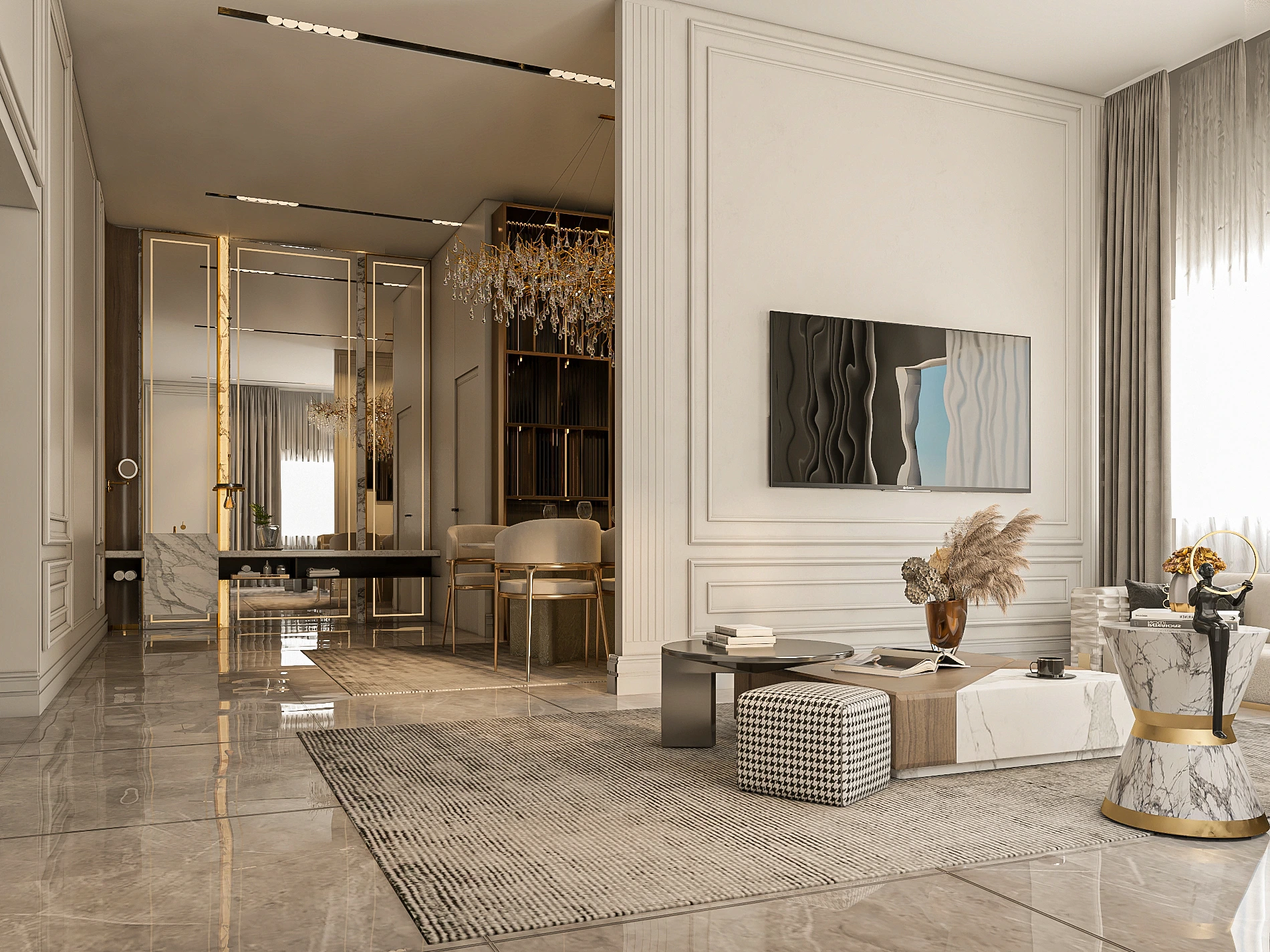
The best interior schemes are not simply collections of attractive materials. They create a consistent material palette where stone, wood, metal, glass, fabrics and finishes work together.
5. Treating Lighting as an Afterthought
Lighting can completely change the way a villa interior looks and feels.
Yet it is often considered after the furniture, ceilings and finishes have already been selected.
Good lighting design should be considered alongside the overall interior design.
A well-planned villa may combine:
● General lighting
● Task lighting
● Accent lighting
● Decorative lighting
● Architectural lighting
The position of lighting should also work with furniture layouts, artwork, joinery and architectural features.
Planning lighting early makes it easier to create a finished interior that feels balanced rather than simply well-lit.
6. Changing the Design During Construction
Changing decisions once work has already started can affect both the program and the budget.
A different flooring material, revised kitchen layout or additional joinery may require other elements of the project to be changed as well.
This is why important decisions should be resolved during the design and planning stage wherever possible.
A detailed design package, material schedule and clear scope of work can help minimise unnecessary changes once the project reaches site.
The more decisions that are finalised before construction, the easier it becomes to coordinate the different stages of a villa renovation.
7. Overlooking Approvals and Project Requirements
Renovation requirements can vary depending on the location, scope of work and property.
In Dubai, for example, Dubai Municipality has specific procedures relating to building permits and maintenance works.
Certain decoration works also require permits and approved contractors depending on the circumstances.
Villa owners should therefore understand the approval requirements that apply to their project before work begins.
If the property is located within a managed community, additional requirements may also apply.
This is one reason why approvals and technical requirements should be considered during the planning stage rather than after construction has started.
8. Focusing on Trends Instead of the Way You Live
A villa can look impressive in photographs and still fail to work for the people living in it.
Before choosing a design direction, think about how the home is actually used.
Consider questions such as:
● How does the family use the living areas?
● Is more storage needed?
● How often is the kitchen used?
● Do you regularly entertain guests?
● Which spaces need more privacy?
● How should the bedrooms connect to the rest of the villa?
● Which areas need to be flexible?
The most successful villa interiors balance visual appeal with everyday functionality.
Trends can provide inspiration, but the design should ultimately be shaped around the lifestyle of the people who live there.
9. Treating Every Room as a Separate Design
Another common mistake is designing each room independently.
A villa should feel connected from one space to another.
This does not mean every room needs to look identical. Instead, the interior should have a consistent design language through elements such as:
● Material selection
● Colour palette
● Flooring
● Joinery details
● Lighting
● Architectural finishes
● Hardware
A consistent approach creates a stronger sense of flow throughout the property while still allowing individual rooms to have their own character.
10. Choosing a Contractor Without Looking at the Complete Process
The final result of a villa renovation depends on more than the initial design concept.
It also depends on how effectively the project is coordinated from design through execution.
Before selecting a renovation or fit-out company, homeowners should understand:
● What services are included
● Who manages the project
● How the scope is documented
● How materials are selected and approved
● How design changes are handled
● How quality is monitored
● What happens during snagging and handover
● Whether design and execution are coordinated by one team
A turnkey approach can simplify this process by bringing design, technical coordination, fit-out and finishing together under one project structure.
What Makes a Villa Renovation Successful?
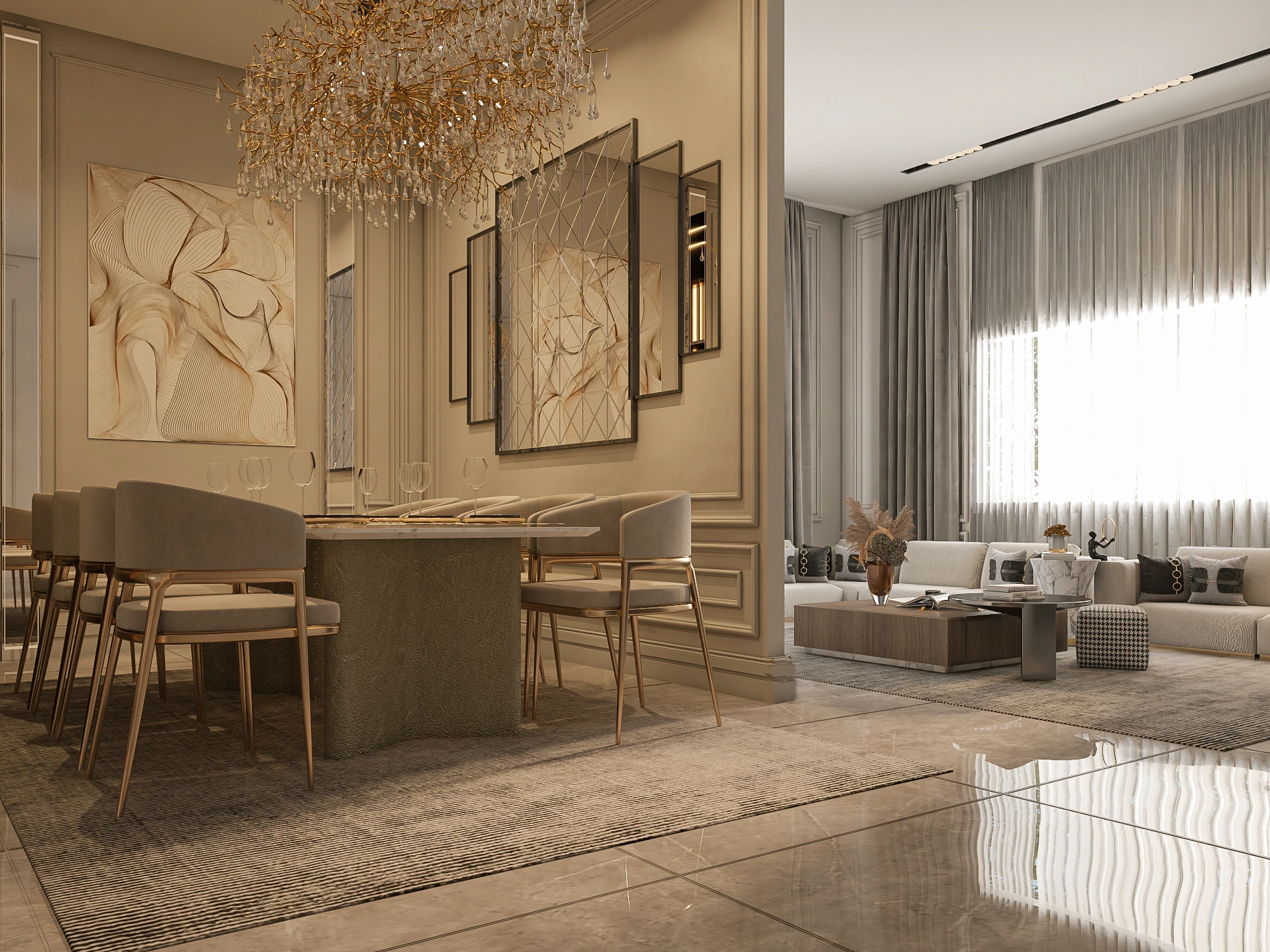
A successful villa renovation starts long before construction begins.
The strongest projects usually have three things in common: clear planning, thoughtful design and careful execution.
Instead of beginning with a single room or a collection of inspiration images, start by understanding the villa as a complete space.
Assess the existing property, define the scope, establish a realistic budget, develop the design, select materials carefully and coordinate the technical requirements before work begins.
This approach creates a stronger foundation for a renovation that is not only visually appealing, but also practical and built around the way the home will actually be used.
Planning a Villa Renovation in the UAE?
At Domora, we approach interior projects as complete transformations rather than isolated decorating exercises.
From interior design and space planning to custom joinery, material selection and turnkey fit-out, every stage is coordinated around the final vision for the home.
Whether you are planning a complete villa renovation or transforming selected areas of your property, the right planning can make the difference between simply updating a space and creating a home that works beautifully for years to come.